
Robotic Colon Surgery in Austin, TX
The colon is part of the large intestine and plays an important role in absorbing water and moving waste through the digestive system. Surgery may be recommended when a condition affecting the colon cannot be adequately treated with medication or other nonsurgical approaches. Conditions that may require colon surgery include colon cancer, diverticulitis, inflammatory bowel disease, intestinal obstruction, and other diseases of the colon.
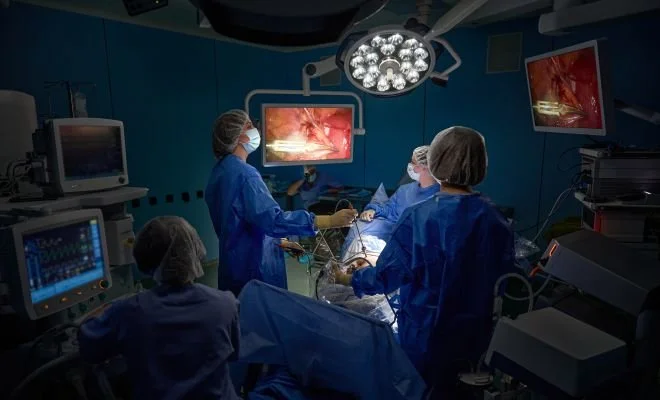
At ATX Robotic Surgery, our surgeons evaluate each patient individually to determine the appropriate surgical approach. When appropriate, colon surgery may be performed using minimally invasive or robotic-assisted techniques. During robotic-assisted surgery, the surgeon remains in control of the instruments throughout the procedure.
Why Choose ATX Robotic Surgery for Colon Surgery
ATX Robotic Surgery provides evaluation and surgical treatment for a range of conditions affecting the colon. Depending on the diagnosis, overall health, and planned procedure, a minimally invasive or robotic-assisted approach may be considered.
Minimally Invasive Options: When appropriate, colon surgery may be performed through several small incisions rather than a larger open incision. The surgical approach depends on the condition being treated and the complexity of the procedure.
Robotic-Assisted Surgery: Robotic technology provides the surgeon with magnified visualization and specialized instruments that can assist with precise movements during surgery. The surgeon controls the robotic system throughout the operation; the system does not operate independently.
Individualized Surgical Planning: Colon conditions vary considerably from patient to patient. Our surgeons review your diagnosis, imaging, medical history, and other relevant factors to determine an appropriate treatment plan.
Care Before and After Surgery: Patients receive instructions for preparing for surgery as well as guidance regarding recovery, activity, diet, incision care, and follow-up based on their individual procedure.
Types of Colon Surgery
The type of colon surgery performed depends on the condition being treated, the portion of the colon affected, and the individual patient’s needs.
Colectomy: A colectomy removes part or all of the colon. A partial colectomy removes a section of the colon, while a total colectomy removes the entire colon. Colectomy may be used to treat conditions such as colon cancer, diverticular disease, inflammatory bowel disease, or other conditions affecting the colon.
Colostomy: A colostomy creates an opening, called a stoma, in the abdominal wall so stool can leave the body and be collected in an ostomy pouch. A colostomy may be temporary or permanent depending on the condition being treated and the surgical procedure performed.
Proctocolectomy: A proctocolectomy removes the colon and rectum. It may be used for certain patients with conditions such as ulcerative colitis, Crohn’s disease, or other diseases affecting the colon and rectum. Depending on the condition and procedure, an ileostomy or another form of reconstruction may be needed.
Robotic-Assisted Colon Resection
A colon resection removes a diseased or damaged portion of the colon. When robotic-assisted surgery is appropriate, the surgeon uses a robotic surgical system to assist with the procedure while remaining in control of the instruments throughout the operation.
The specific steps vary depending on the condition and the portion of the colon being treated, but a colon resection may involve:
Resection – The affected portion of the colon is carefully separated and removed.
Removal – The removed tissue is taken out through an incision.
Reconnection – When appropriate, the healthy ends of the colon are reconnected. In some cases, an ostomy may be necessary instead.
Robotic Technology in Colon Surgery
When robotic-assisted colon surgery is appropriate, the surgeon uses a robotic surgical system to assist with visualization and instrument movement during the procedure. The surgeon remains in control of the instruments throughout the operation; the robotic system does not perform surgery independently.
Robotic-assisted procedures are generally performed through several small incisions. Whether a robotic-assisted, laparoscopic, or open approach is appropriate depends on the condition being treated, the complexity of the operation, and individual patient factors.
Firefly Imaging: Some robotic procedures may use fluorescence imaging technology to help the surgeon visualize blood flow to tissue during the operation. Whether this technology is used depends on the procedure and the surgeon’s clinical judgment.
Why Might a Colon Resection be Needed?
A colon resection may be recommended when disease, damage, or another condition affects a portion of the colon and surgery is considered appropriate. Conditions that may lead to colon surgery include colon cancer, diverticular disease, inflammatory bowel disease, certain bowel obstructions, and other disorders affecting the colon.
The decision to recommend surgery depends on the diagnosis, severity of the condition, previous treatments, overall health, and other individual factors. Not every person with one of these conditions requires colon surgery.
Conditions That May Require Colon Surgery
Colon surgery may be considered for several conditions, including:
Colon Cancer: Surgery is commonly used in the treatment of colon cancer and may involve removing the affected portion of the colon along with nearby tissue and lymph nodes. The extent of surgery depends on the location and stage of the cancer and the individual treatment plan.
Diverticular Disease: Surgery may be considered for certain patients with recurrent or complicated diverticulitis, such as cases involving an abscess, perforation, obstruction, fistula, or other complications.
Inflammatory Bowel Disease (IBD): Some patients with ulcerative colitis or Crohn’s disease may require surgery when disease is severe, complications develop, or other treatments have not adequately controlled the condition.
Bowel Obstruction: An obstruction can prevent normal movement through the intestine. Surgery may be required in some cases depending on the cause, severity, and response to other treatment.
Colon Injury or Other Conditions: Surgery may also be necessary for certain injuries, perforations, abnormal growths, or other conditions affecting the colon.
Post-Surgery Care & Recovery
Recovery after colon surgery varies depending on the procedure performed, the condition being treated, and the individual patient. Your surgical team will provide instructions specific to your operation and recovery needs.
Immediately After Surgery: After surgery, patients are monitored as they recover from anesthesia. The care team will monitor vital signs, manage discomfort, and assess recovery before determining the next steps in care.
Hospital Stay: The length of a hospital stay varies depending on the type and extent of surgery and how the patient is recovering. Some patients undergoing minimally invasive procedures may have shorter hospital stays than patients undergoing open surgery, but recovery differs for each person.
Pain Management: Some discomfort is expected after colon surgery. Your care team will discuss pain-management options based on your procedure, medical history, and individual needs.
Diet and Bowel Function: Eating and drinking are gradually resumed based on recovery and bowel function. Your surgical team will provide instructions regarding diet, hydration, and any temporary dietary changes that may be needed.
Incision Care: Patients receive instructions for caring for their surgical incisions and recognizing signs that should be reported to their healthcare team.
Activity and Recovery: Walking and gradual activity may be encouraged during recovery. Restrictions on lifting, exercise, driving, work, and other activities depend on the procedure and individual progress.
Follow-Up Care: Follow-up appointments allow the surgeon to evaluate healing, discuss recovery, and address questions or concerns. Additional care or monitoring may be recommended depending on the diagnosis and procedure.
When to Contact Your Care Team: Patients should follow the discharge instructions provided by their surgical team and contact their healthcare provider if concerning symptoms develop, such as fever, increasing pain, persistent vomiting, worsening redness or drainage from an incision, or other symptoms identified in their postoperative instructions.
Colon Surgery FAQs
-
Colon resection is considered major surgery because it involves removing a portion of the colon and, in many cases, reconnecting the remaining healthy sections. The extent of surgery varies depending on the condition being treated and the amount of colon involved. Colon resection may be performed using an open, laparoscopic, or robotic-assisted approach depending on the individual patient and procedure.
-
Preparation depends on the type of colon surgery being performed and your individual health needs. Your surgical team will provide specific instructions regarding eating and drinking, medications, and whether bowel preparation is necessary. You may also be asked to complete testing before surgery and arrange transportation and assistance during the early stages of recovery. Follow the instructions provided by your surgeon rather than making medication or dietary changes on your own.
-
Yes. As with any major surgery, colon surgery has potential risks and complications. These may include bleeding, infection, blood clots, reactions to anesthesia, injury to nearby structures, or leakage where sections of the bowel are reconnected. Additional risks vary depending on the procedure and the patient's health. Your surgeon will discuss the risks that apply to your specific operation before surgery.
Pre-Consultation Information
-
Please bring a Photo ID and insurance information, a list of medications you are currently taking, and any relevant medical records or office visit notes.
-
Our team will discuss any questions or concerns, review your medical history to understand symptoms or allergies, perform a focused physical exam, and discuss the next steps for a plan tailored to you.
-
Write down your symptoms and when they occur, note any activities that make symptoms better or worse, plan to bring a family member if helpful.